Vijesti
Dom / Vijesti / Vijesti o industriji / Praktični vodič za odabir pravog PVC ljepila za vakuumsko oblikovanje
 Pretraživanje
 +86 178 5710 2305



Ljepilo za vakuumsko oblikovanje PVC-a specijalizirano je sredstvo za spajanje dizajnirano za trajno pričvršćivanje PVC folije ili ploče na podlogu prije, tijekom ili nakon procesa vakuumskog oblikovanja. Vakuumsko oblikovanje oslanja se na toplinu i usisavanje kako bi se omekšana PVC ploča čvrsto razvukla preko kalupa, a ljepilo je ono što osigurava da formirani film ostane čvrsto spojen na podlogu ispod, bilo da se radi o MDF-u, iverici, pjeni ili drugom krutom materijalu, bez mjehurića, ljuštenja ili podizanja na rubovima nakon što se ohladi.
Ova vrsta ljepila neophodna je u industrijama koje proizvode omotane ploče, vrata ormarića, ukrasne zidne ploče i oblikovana pakiranja proizvoda. Bez pravog PVC ljepila za vakuumsko oblikovanje, čak i savršeno izveden postupak vakuumskog oblikovanja može kasnije propasti, pokazujući znakove raslojavanja jer se materijal širi i skuplja s promjenama temperature ili kada je izložen vlazi i svakodnevnom trošenju tijekom vremena.
Razumijevanje gdje se ljepilo uklapa u cjelokupni tijek rada vakuumskog oblikovanja pomaže razjasniti zašto je odabir pravog proizvoda i metode primjene toliko bitan za kvalitetu konačnog proizvoda.
U većini proizvodnih postavki ljepilo se nanosi na površinu supstrata prije nego što PVC film uopće uđe u stroj za vakuumsko oblikovanje. Obloženi supstrat se ostavlja dok ljepilo ne postigne ispravnu razinu ljepljivosti, niti previše mokro niti potpuno suho, budući da primjena topline i vakuumskog pritiska u pogrešnoj fazi ljepljivosti često dovodi do slabog spajanja ili zarobljenih zračnih džepova ispod filma.
Dok se PVC ploča zagrijava i rasteže preko podloge pod vakuumskim pritiskom, toplina također reaktivira ljepljivi sloj, dopuštajući mu da se stopi s filmom dok se prilagođava konturama i rubovima kalupa. Ovaj simultani proces zagrijavanja i lijepljenja je ono što omogućuje vakuumom oblikovanim pločama da postignu oštre rubove i detaljne profile dok ostaju sigurno pričvršćene po cijeloj površini.
Različita proizvodna okruženja zahtijevaju različite kemijske sastave ljepila, od kojih svaki ima svoju snagu ovisno o brzini linije, vrsti podloge i ekološkim propisima.
| Vrsta ljepila | Ključna karakteristika | Uobičajeni slučaj upotrebe |
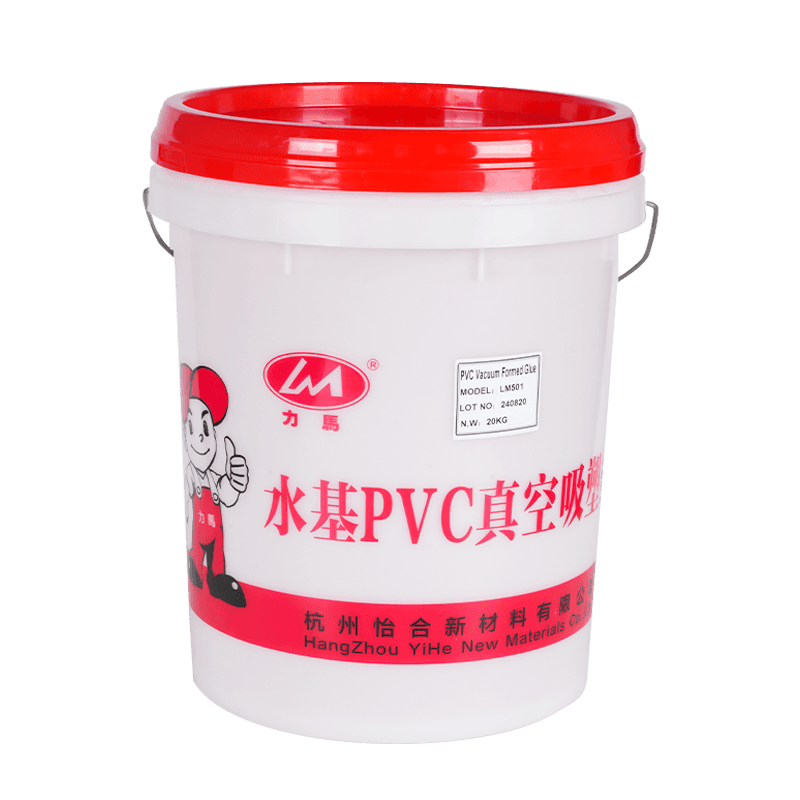
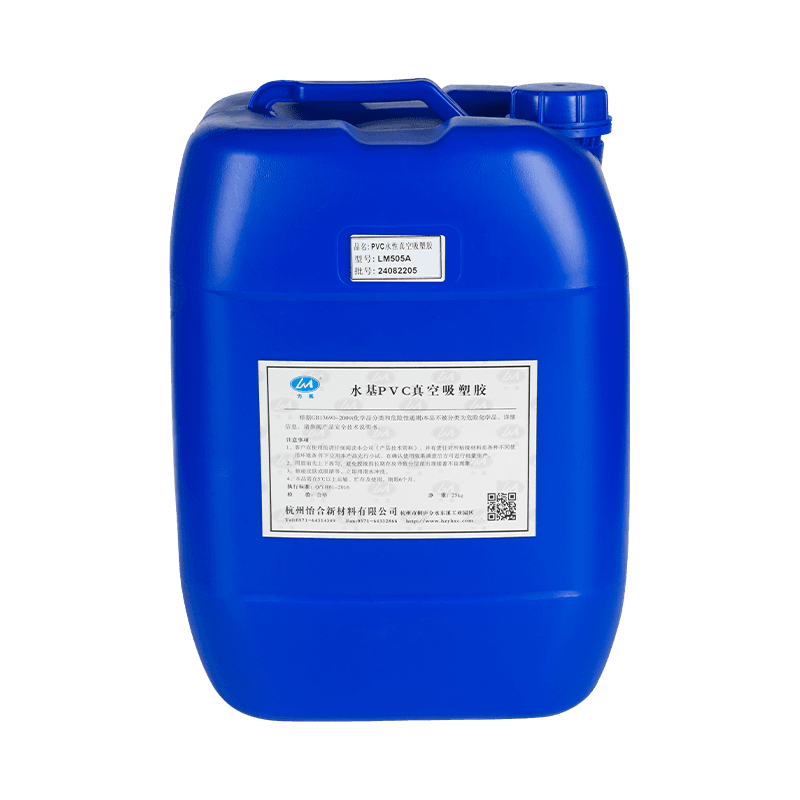
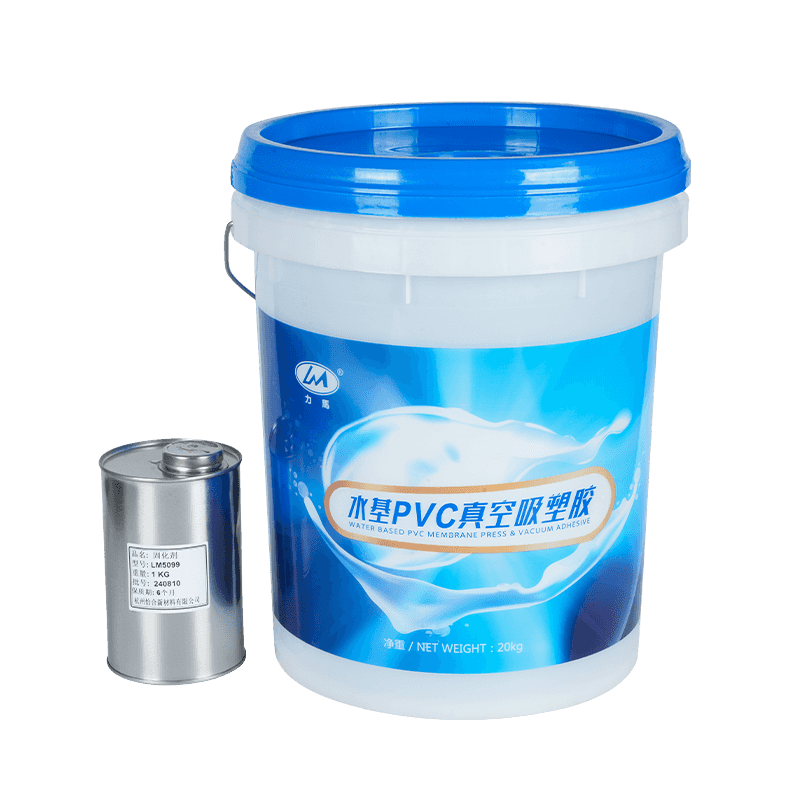
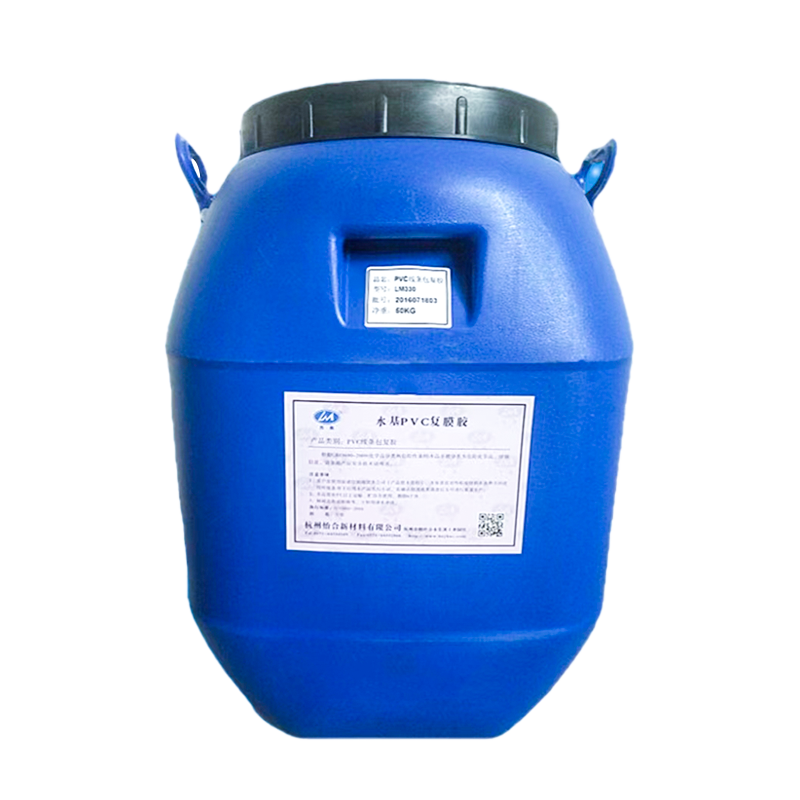
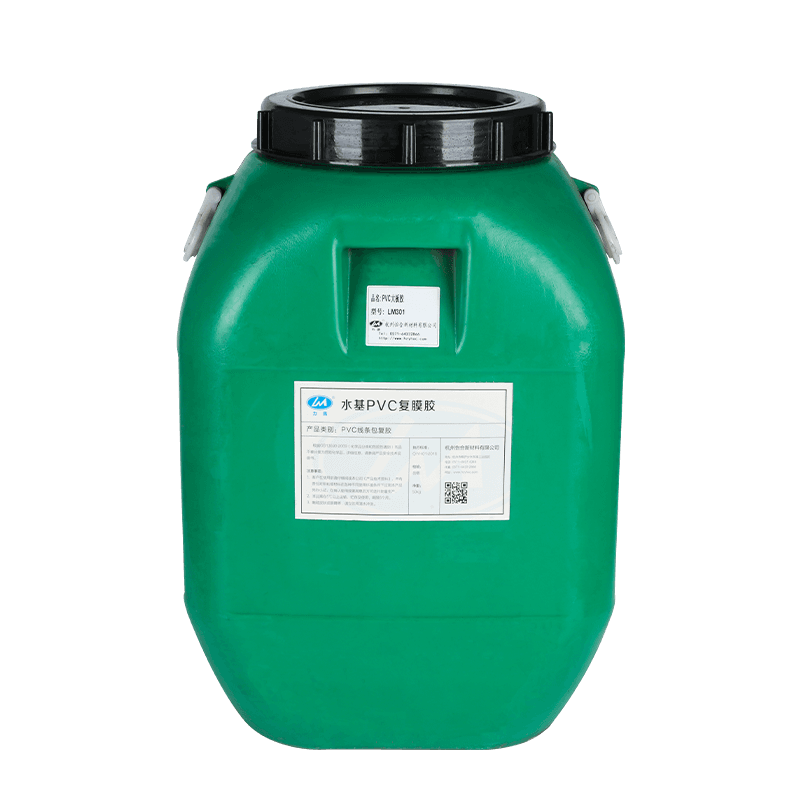
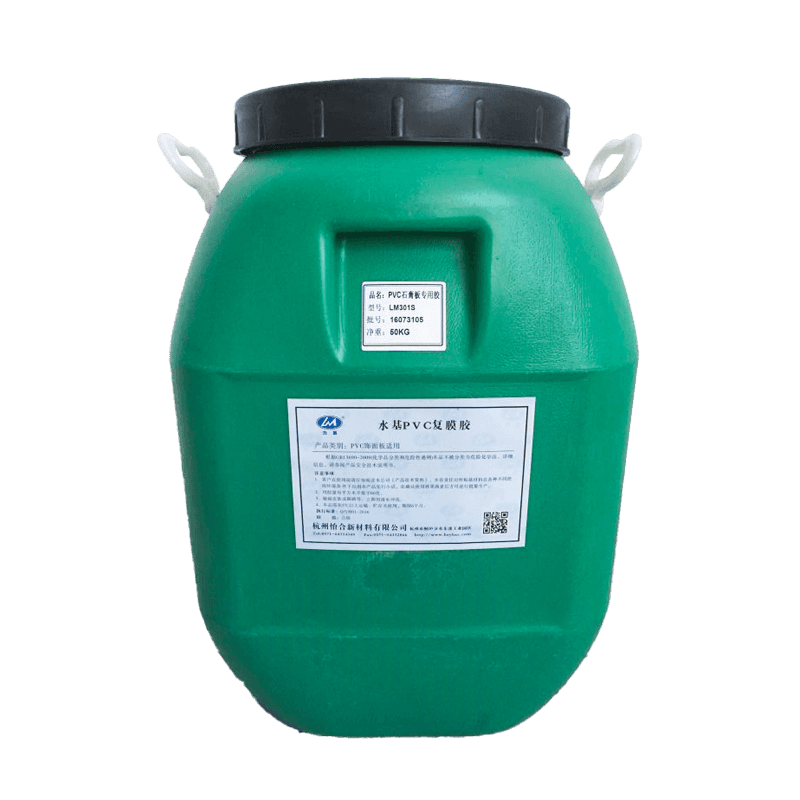
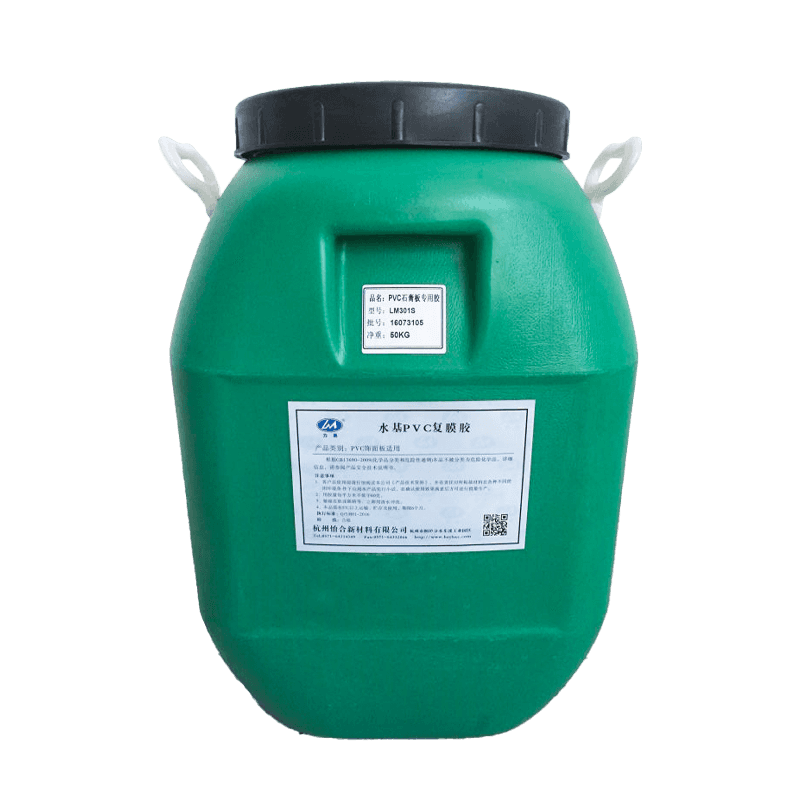
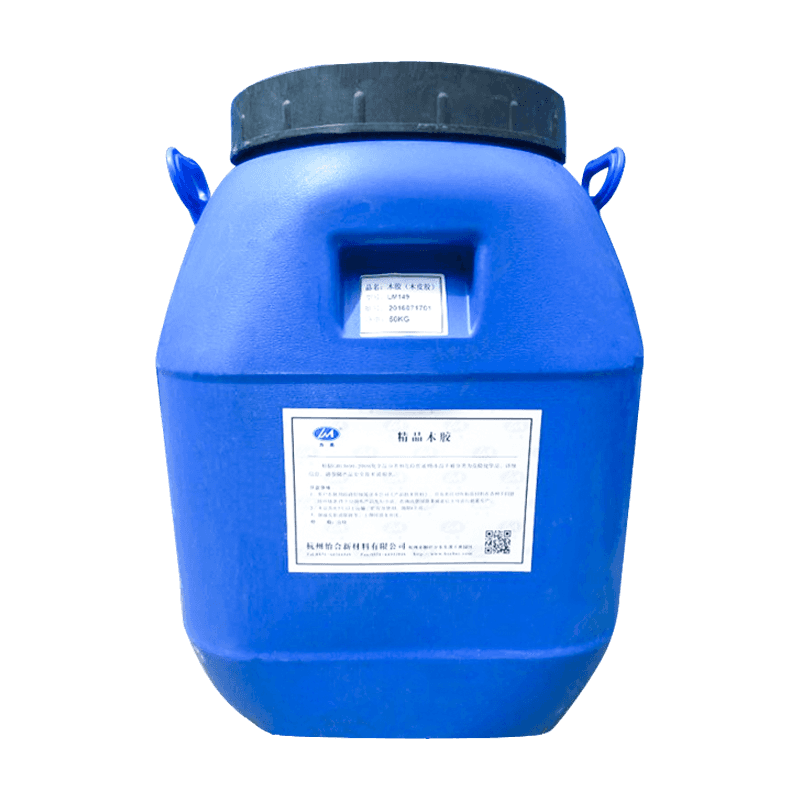
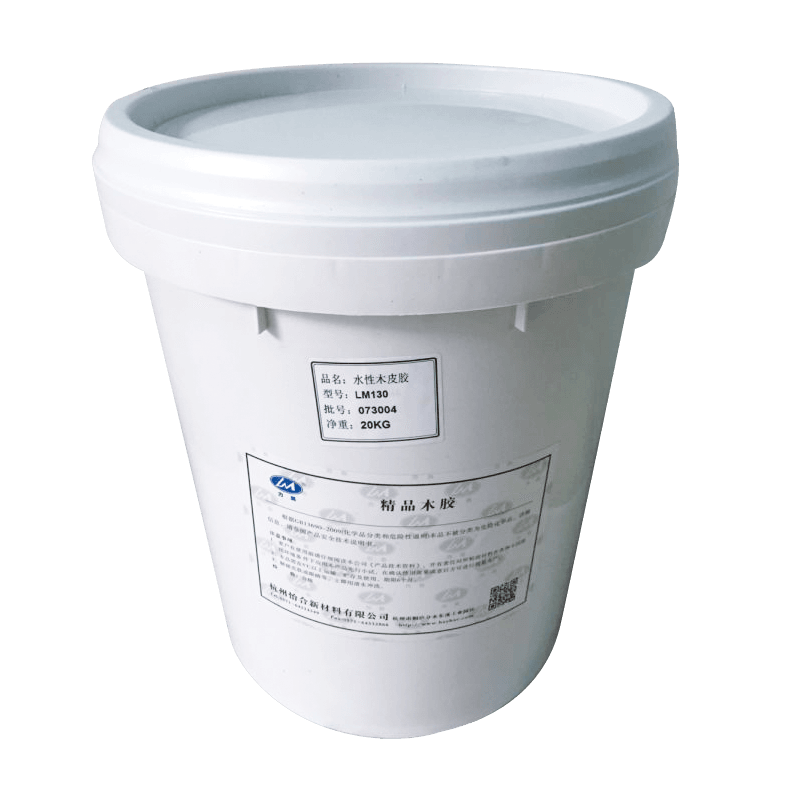
| PVC ljepilo na bazi vode | Niske emisije VOC, lakše čišćenje | Ploče za namještaj, vrata ormara |
| PVC ljepilo na bazi otapala | Brzo prianjanje, jaka početna veza | Proizvodne linije velike brzine |
| Hot Melt PVC ljepilo | Trenutačno lijepljenje, bez vremena sušenja | Automatizirane linije za omatanje |
| PVC ljepilo osjetljivo na pritisak | Veze bez toplinske aktivacije | Primjene za niskotemperaturno oblikovanje |
Ljepila na bazi vode porasla su u popularnosti jer se proizvođači suočavaju sa strožim ekološkim propisima u vezi s emisijama hlapljivih organskih spojeva, iako opcije na bazi otapala još uvijek imaju prednost u proizvodnim okruženjima gdje brzina linije i čvrstoća spoja imaju prioritet u odnosu na okoliš.
Postizanje jake, trajne veze između PVC folije i podloge ovisi o više od pukog odabira dobrog ljepila s police. Potrebno je pažljivo kontrolirati nekoliko procesnih varijabli.
Težina premaza obično je jedan od najčešćih krivaca za neuspješno lijepljenje. Premalo ljepila ostavlja praznine koje dovode do stvaranja mjehurića, dok previše može stvoriti mekanu, neravnu vezu koja se nikada u potpunosti ne stvrdne, a oboje rezultira filmom koji se na kraju odiže od podloge.
Čak i iskusni proizvodni timovi s vremena na vrijeme naiđu na probleme povezane s ljepilom. Znanje kako dijagnosticirati glavni uzrok štedi značajno vrijeme i materijalni otpad.
To obično ukazuje na ljepilo kojem nije dano dovoljno vremena za isparavanje prije formiranja, zadržavajući otapalo ili pare vlage ispod filma dok se lijepi. Produljenje vremena sušenja ili podešavanje temperature pećnice tijekom faze prethodnog oblikovanja obično rješava ovaj problem.
Rubovi i kutovi doživljavaju najveći stres jer se PVC folija steže tijekom hlađenja, što ih čini najčešćim mjestom kvara. Povećanje težine ljepljivog premaza posebno duž rubova ili produljenje vremena zadržavanja vakuuma kako bi se omogućilo bolje lijepljenje na tim točkama visokog naprezanja često rješava probleme koji se ponavljaju uz podizanje rubova.
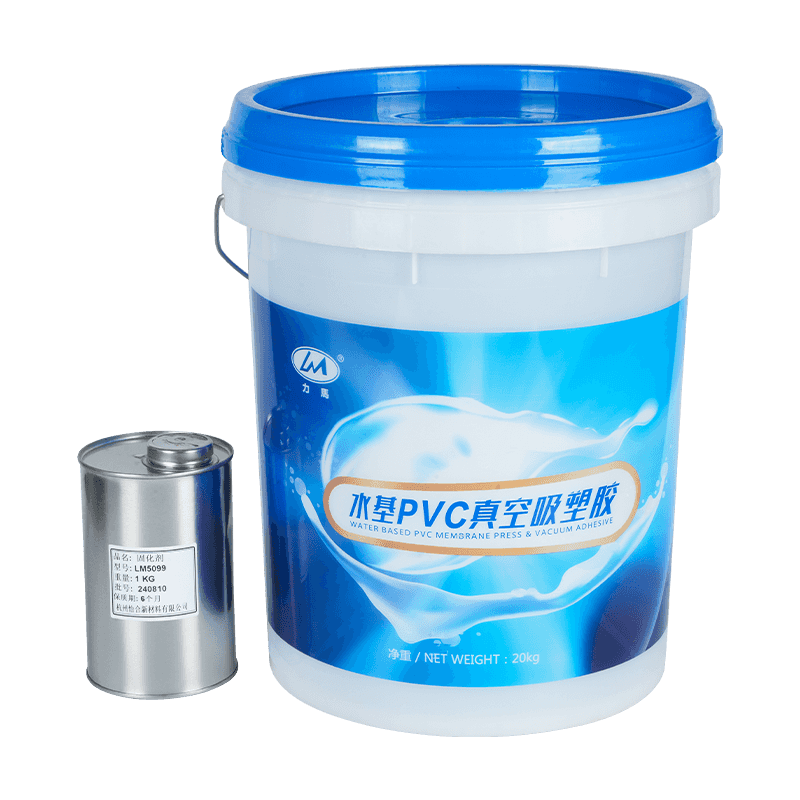
Odabir najboljeg PVC ljepilo za vakuumsko oblikovanje ovisi o usklađivanju proizvoda s vašim specifičnim supstratom, brzini proizvodnje i okruženju krajnje uporabe. Za namještaj i ploče ormara namijenjene kuhinjama ili kupaonicama, ljepilo na bazi vode s dobrom otpornošću na vlagu često je sigurniji dugoročni izbor. Za automatizirane proizvodne linije velikih količina gdje je brzina najvažnija, vruća ljepila ili ljepila na bazi otapala obično daju brzo, pouzdano lijepljenje potrebno za održavanje linije bez žrtvovanja kvalitete.
Također je vrijedno zatražiti tehničke podatke od dobavljača ljepila, budući da se specifikacije kao što su otvoreno vrijeme, raspon temperature aktivacije i preporučena težina premaza značajno razlikuju od proizvoda do proizvoda i izravno utječu na to koliko će ljepilo dobro funkcionirati na vašoj specifičnoj opremi i kombinaciji podloge.
Slijeđenje nekoliko dosljednih praksi pomaže proizvodnim timovima da dobiju pouzdane rezultate serije za serijama kada rade s PVC ljepilom za vakuumsko oblikovanje.
PVC ljepilo za vakuumsko oblikovanje igra daleko veću ulogu u kvaliteti konačnog proizvoda nego što mnogi ljudi shvaćaju, budući da će čak i savršeno oblikovana ploča prerano pokvariti ako vezni sloj ispod nije ispravan. Odvajanje vremena za odabir ispravne vrste ljepila za vašu podlogu i brzinu proizvodnje, pažljivo kontroliranje težine premaza i procesnih temperatura, te rješavanje problema s lijepljenjem u njihovom korijenskom uzroku, doprinose pločama i proizvodima koji će postojati godinama umjesto da se rasloje unutar nekoliko mjeseci. Malo dodatne pažnje ovom često zanemarenom materijalu značajno se isplati smanjenim otpadom i jačim, dugotrajnijim završnim proizvodima.





Copyright © Hangzhou Yihe New Materials Co., Ltd. Prava pridržana.
Ekološki prihvatljivi dobavljači ljepila